Building Products
Valve Body Machining Cell
High Mix. High Speed.
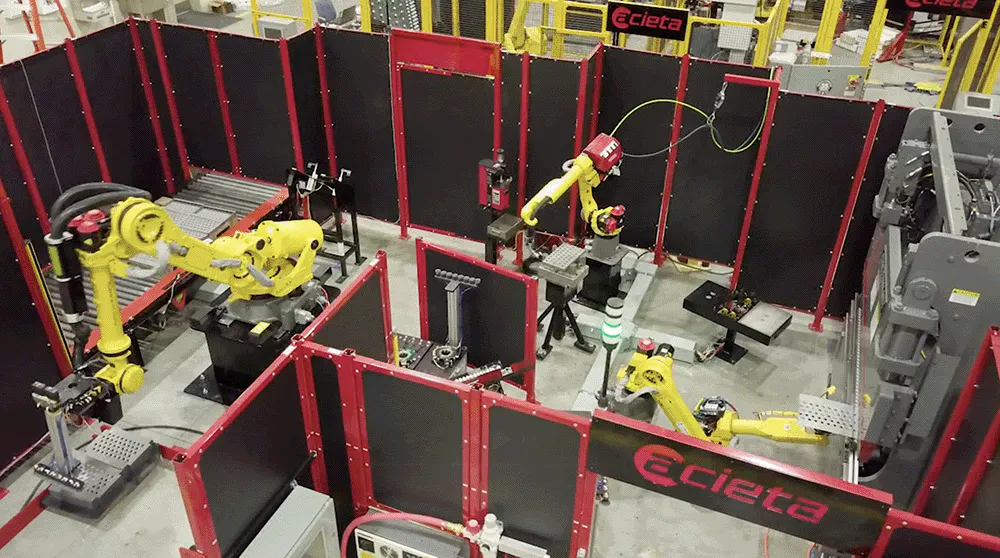
Acieta designed a fully integrated flexible machining cell for Clow Valve that takes heavy cast valve bodies from raw casting through multi-sided machining to powder coat-ready finish.
What was a fragmented process requiring multiple setups, overhead cranes, and manual verification is now handled by a single 880 lb payload robot on a 60-foot linear track tending four machining centers.
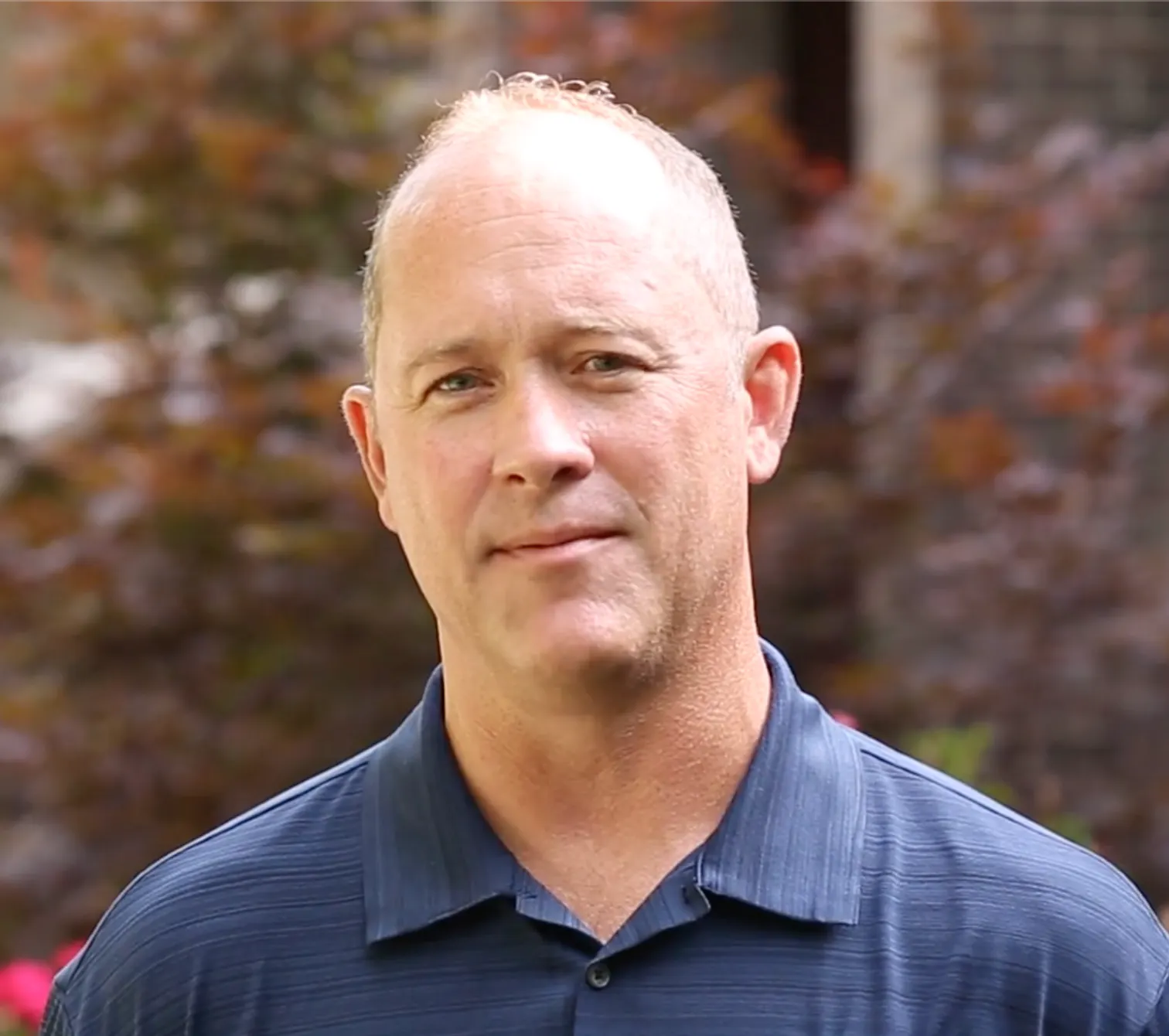
"It's not just a financial gain—we're looking at the heath and welfare of our employees."
Andy Holmberg
Machine Shop Plant Manager, Clow Valve Co.
Benefits
High Throughput
The cell produces 600-700 valve bodies per day, with over one million parts produced to date.
Continuous Flow
Valve components move seamlessly from palletized raw castings through machining to powder-coat-ready parts.
A Safer Floor
The system eliminates the overhead crane and load assist equipment that previously created bottlenecks and safety risk.
600+
300lb Parts Produced per Day
System Components
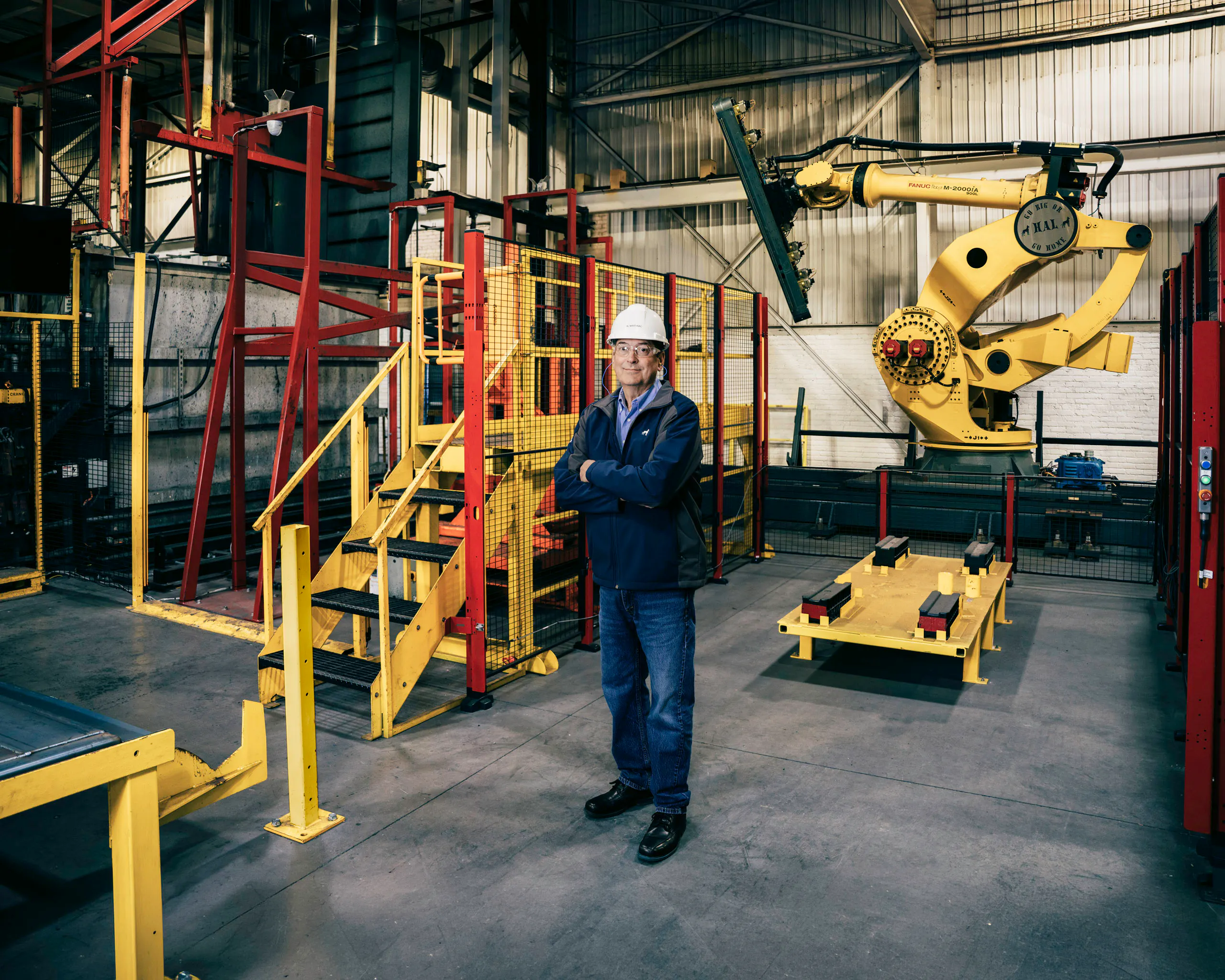
A high-payload FANUC S-900iW 6-axis robot mounted on a 60-foot Acieta RTU tends all four machining centers in sequence, handling part loading, unloading, and transfer across the full cell without repositioning or manual intervention.
Dual grippers allow the robot to unload a finished part and load a raw part in a single machine visit, minimizing spindle idle time and keeping all four machining centers running at maximum utilization.
Integrated vision systems on all inbound conveyors identify and verify part orientation automatically, ensuring every valve body enters the machining sequence correctly positioned without manual verification.
A centralized controller coordinates robot motion, machine activity, and cycle timing across the entire cell, synchronizing throughput across all four machining centers and managing system response without operator involvement.
Four machining centers cover all required faces and features of the valve body in a single integrated flow, eliminating the multiple setups and manual repositioning that the previous process required.