• Solutions

  • Industries

  • Service

2026-08-11

Considering Industrial Automation?

Three tips to keep in mind when considering factory automation solutions.
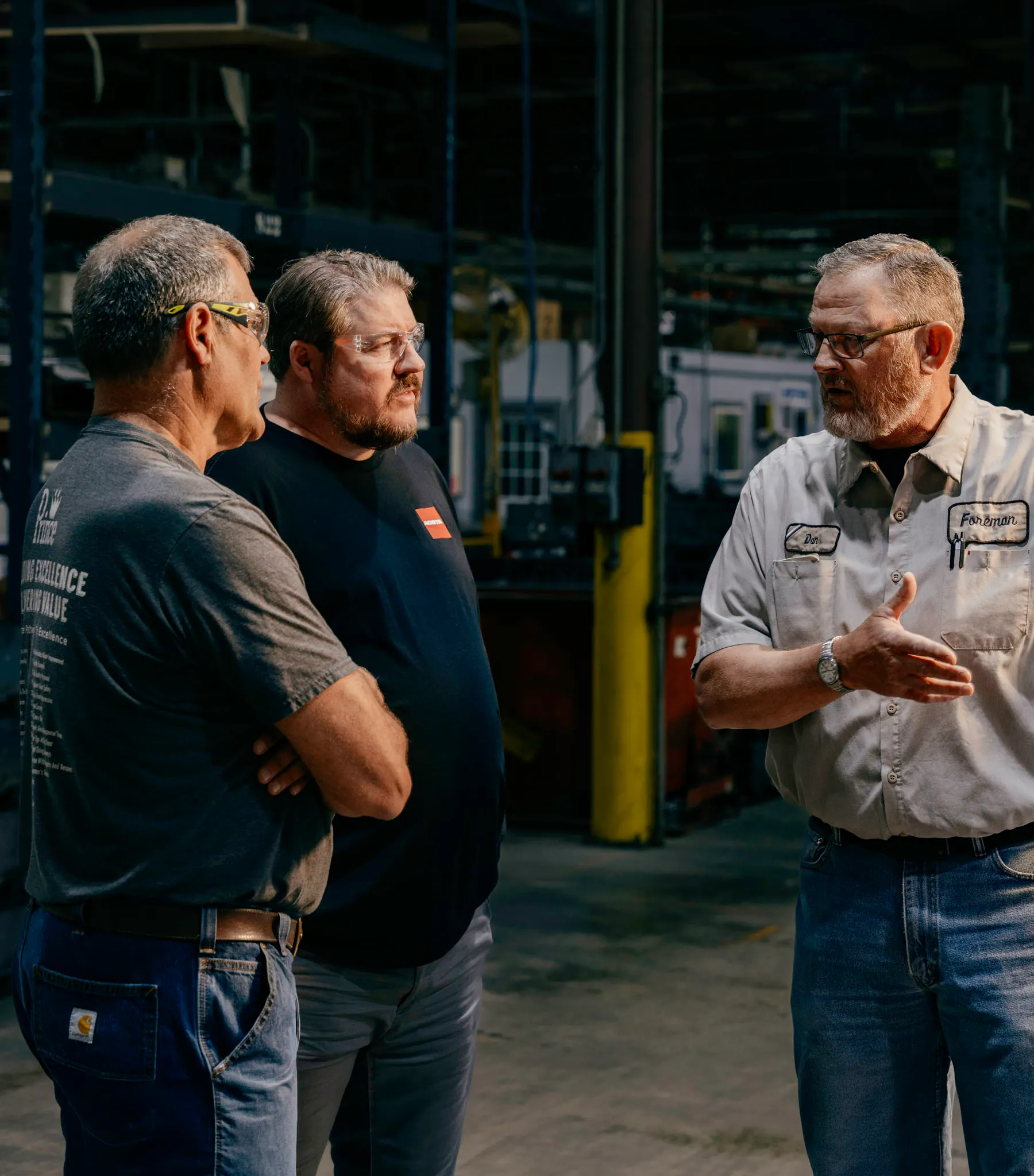
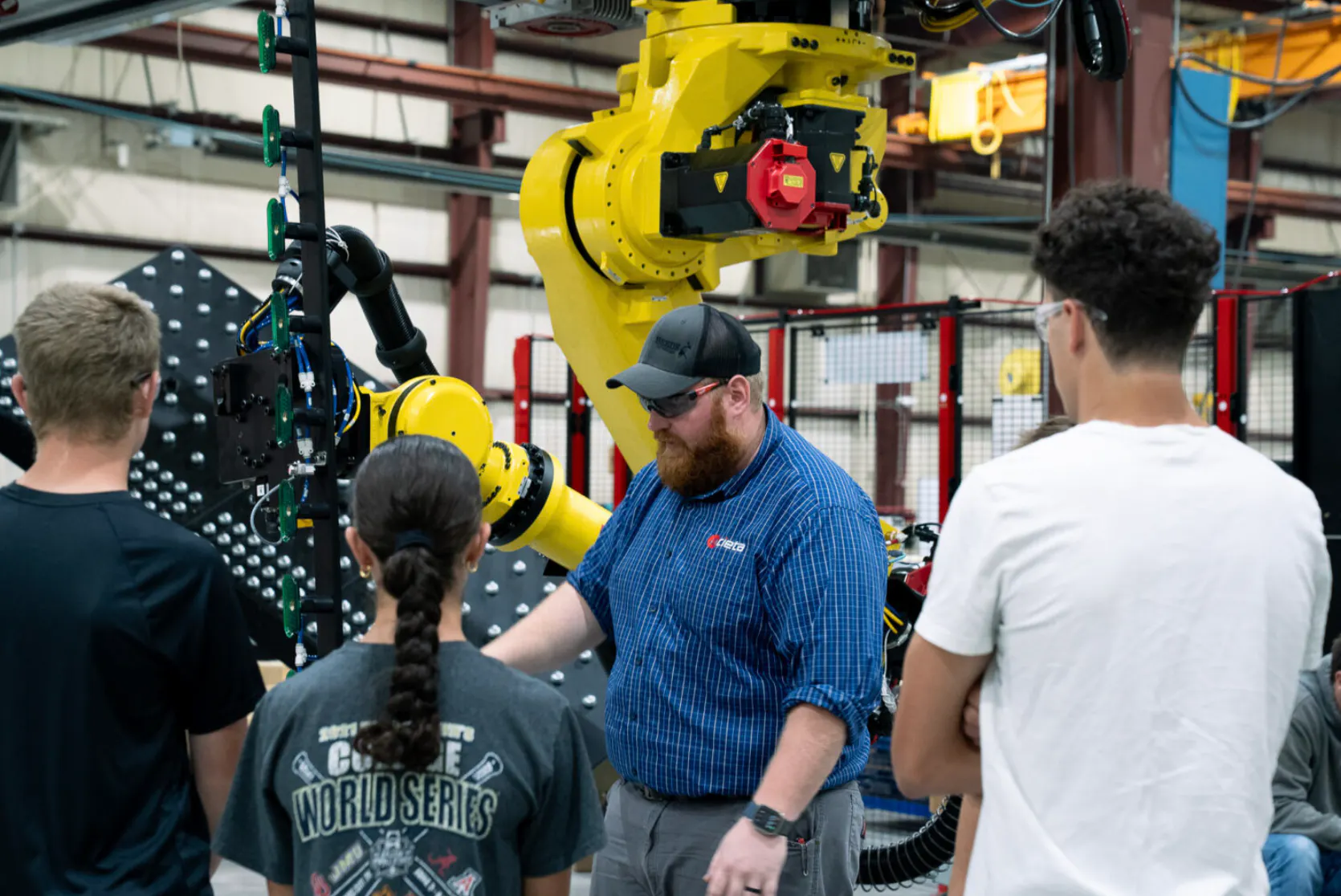
three people collaborating on industrial automation integration

Industrial automation is about more than installing robots.

The decisions made before a project begins often have the biggest impact on its long-term success.

Many manufacturers start with a specific problem to solve - manual palletizing, repetitive welding, machine tending, quality inspection, the list goes on. But successful automation isn't about optimizing one task in isolation.

It's about understanding how people, processes, and technology work together across the entire production system.

That's why experienced industrial automation integrators spend as much time evaluating the manufacturing process as they do selecting robots or designing equipment. Before you invest solutions for industrial automation, here are three common mistakes to avoid.

Overlooking Process Flow

Integration is not a product, it's a process.

The right solution is to design for the complete process, even if implementation happens in phases. Before automating a task, understand how it fits into the entire production process.

Imagine your team has decided it's time to automate palletizing.

On the surface, the scope appears straightforward, but there's a lot beneath the surface the dictates success.

Experienced industrial automation system integrators center questions around the process:
  • Can the stretch wrapper sustain the required throughput?
  • Is there enough accumulation if downstream equipment stops?
  • How will empty pallets be replenished without interrupting production?
  • Who removes slip sheets and dunnage?
  • Will forklifts, conveyors or AMRs handle completed pallets?
  • How will the cell recover after a downstream fault?

Automating one step without considering the upstream or downstream operations often shifts the bottleneck instead of eliminating it.

That may mean starting with a robotic palletizing cell today while designing an automation roadmap that accommodates future conveyor integration, automated pallet dispensing, AMRs, or dunnage handling as production requirements and budgets evolve.

The implementation may happen in phases, but the process should never be an after thought.

Designing for Today

Production requirements rarely stay the same.

A robotic welding system isn't designed solely around today's production requirements because parts change, customer demand shifts, and production volumes fluctuate. Decisions made during the design phase can determine whether an automated welding solution adapts to those changes or requires costly engineering modifications later.

One of the most common mistakes is designing for today without considering how the operation may evolve.

Planning for flexibility doesn't mean purchasing every capability on day one. It means making engineering decisions that support future growth without requiring a complete redesign.

Providing a robotic welding solution starts with questions like:
  • Can the cell support future part families and product variations?
  • Is there room to add another welding robot or positioner as production grows?
  • Will the controls architecture support future equipment integration?
  • Can seam tracking, vision guidance, or automated inspection be integrated later?

Planning for flexibility doesn't mean purchasing every capability on day one. It means making engineering decisions that support future growth without requiring a complete redesign.

Planning for Installation, Not Operation

A successful startup is an important milestone, but it's not the finish line.

The true value of factory automation systems are measured over years of production. Without a long-term strategy for maintenance, training, and support, even the best-designed automation system will experience unnecessary downtime, reduced performance, and a shorter lifespan.

Automation shouldn't be treated as one-time investment, it's a long-term asset.

The manufacturers that see the greatest return on their investment are those who continue investing in the people, processes, and support that keep their industrial automation solutions running at peak performance.

Your automation strategy should consider the entire system lifecycle:
  • Preventative maintenance to maximize uptime and equipment performance
  • Critical spare parts strategies that reduce unplanned downtime
  • Operator and maintenance training to drive adoption, build confidence, and ensure consistent production
  • Lifecycle services that optimize system performance as production evolves.

Automation shouldn't be treated as one-time investment, it's a long-term asset.

The manufacturers that see the greatest return on their investment are those who continue investing in the people, processes, and support that keep their industrial automation solutions running at peak performance.

Choosing an Integrator

Choosing an industrial automation system integrator isn't just about finding someone who can build a robotic cell or install new equipment. It's about partnering with a team that understands your manufacturing process, designs with future growth in mind, and supports your operation long after startup.

The right integrator helps you build a long-term automation strategy that improves productivity, maximizes uptime, and evolves with your business.

HQ - Shelbyville, Indiana

888-900-8245

1677 W. 400 N.
Shelbyville, IN 46176

Council Bluffs, Iowa

712-328-3410

2906 21st Avenue
Council Bluffs, IA 51501

Tipton, Indiana

317-660-6454

986 W. Industrial Dr.
Tipton, IN 46072

Livonia, Michigan

734-432-5055

12623 Newburgh Rd
Livonia, MI 48150